
TOPIC
Essential Strategies for High-Net-Worth Individuals to Build Generational Wealth


For high-net-worth individuals, building generational wealth involves much more than simply accumulating substantial assets. True generational wealth means ensuring prosperity can be seamlessly transferred to children, grandchildren, and beyond while reducing unnecessary risks and avoiding common pitfalls. Achieving this goal demands a comprehensive, multi-faceted approach that includes advanced tax planning, investment diversification, strategic business succession, and meticulous governance. In today’s ever-evolving financial landscape, new wealth management strategies such as company equity planning have become increasingly essential for securing a family’s financial legacy for decades to come. With evolving regulations, constant market shifts, and growing family needs, it is critical to approach generational planning with diligence, expertise, and a clear long-term vision.
As family financial goals evolve, applying effective wealth management strategies is crucial for sustaining multi-generational wealth. This includes integrating business protection, real estate preservation, investment growth, and tax minimization. A focused plan is necessary to navigate future challenges, avoiding risks of fragmentation and tax costs. Successful wealth transfer involves education, alignment with family values, and careful implementation of tax and philanthropic strategies. Emphasizing communication and governance enhances stability and minimizes family disputes. Recently, affluent families worldwide have shifted focus from merely maximizing financial returns to prioritizing legacy, well-being, and family cohesion, ensuring enduring financial and personal stability across generations.
Comprehensive Wealth Assessment
Understanding the full scope of a household’s wealth is the bedrock of generational planning. This goes far beyond just tallying up the numbers in a bank account. Instead, it requires tracking and valuing numerous asset classes liquid assets like cash and marketable securities, private investments such as venture capital funds, real estate holdings, family businesses, intellectual property, and even rare collectibles. Conducting an in-depth financial assessment provides families with a holistic, realistic view of their wealth, which is essential for making informed, long-term strategic decisions.
Working with a trusted advisor can help families systematically catalog, appraise, and consistently monitor their broad range of assets. This enables the creation of an accurate net worth statement and highlights potential opportunities or vulnerabilities, such as concentrated positions or illiquid holdings. A clear inventory allows families to allocate resources efficiently, anticipate future liquidity needs, and identify exposures to various financial, legal, or operational risks. As asset profiles may shift due to acquisitions, sales, or fluctuating markets, it’s vital to schedule regular reassessments. An ongoing review also helps families align asset allocation with changing family objectives, life events, or regulatory developments, so they can remain proactive rather than reactive.
Estate Planning and Trusts
Effective estate planning is indispensable in ensuring that assets are transferred efficiently, according to your wishes, and with minimal legal or tax complications. Common planning instruments include revocable living trusts, which help families avoid probate and maintain privacy, and irrevocable trusts, which can shield assets from creditors, protect against lawsuits, and reduce estate tax exposure. Additional structures, such as family limited partnerships or testamentary trusts, offer further protection and flexibility, helping families manage business succession or preserve specialized assets, such as family vacation properties.
One innovative approach is establishing a family bank, which enables intra-family loans to support entrepreneurial ventures or major life events among heirs while cultivating fiscal discipline and keeping wealth circulating within the family. Strategic estate planning works hand in hand with business planning, especially for families with significant company equity, to create a seamless path for ownership transition without loss of continuity or value. These structures are best optimized with guidance from estate attorneys and financial advisors who stay up to date on evolving laws and best practices.
Diversified Investment Portfolios
Diversification is a cornerstone of prudent wealth management. By allocating assets across a wide array of classes such as public equities, bonds, venture capital, real estate, and alternatives like commodities or hedge funds, families can reduce risk and help shield themselves from severe market downturns. A diversified portfolio not only enhances growth potential but helps ensure that no single setback will jeopardize overall family wealth.
For high-net-worth families, diversification often includes significant international exposure and alternatives that may not be accessible to less affluent investors. These might include direct private equity investments, infrastructure projects, or private debt funds, all of which can act as counterweights to traditional market-based risks and boost long-term returns. Working with professional asset managers who understand your family’s risk tolerance, time horizon, and legacy objectives is essential; these experts tailor portfolio allocations and rebalance them as circumstances evolve. Regular portfolio reviews and performance benchmarking ensure that investments continue to meet both near-term cash flow needs and long-term generational aspirations, adjusting for life events or market cycles as necessary.
Tax-Efficient Strategies
Taxes can erode wealth surprisingly quickly if not managed proactively and strategically. Building generational wealth, therefore, demands attention to tax-efficient strategies such as tax-loss harvesting, use of tax-advantaged accounts (like IRAs, 401(k)s, and HSAs), charitable giving, and smart asset location, placing investments in taxable or tax-deferred accounts to optimize growth potential and minimize annual tax burden. The impact of federal and state taxes, as well as shifting regulations, can drastically influence a family’s true after-tax wealth, so staying well-informed and working closely with tax professionals is essential.
Many families also benefit from incorporating gifting strategies or setting up charitable trusts, which can provide substantial lifetime tax savings while allowing them to support meaningful causes or transfer wealth to descendants with reduced tax implications. Tax law is in constant flux at both the local and federal levels. That’s why continuous collaboration among wealth managers, accountants, and legal experts is highly beneficial for identifying potential savings, safeguarding capital, and ensuring compliance. Proactivity, rather than reactivity, is a defining trait of families who build and retain wealth across generations.
Educating the Next Generation
One of the most important yet frequently overlooked hallmarks of enduring legacies is preparing younger generations to steward and grow the family’s wealth. This involves more than occasional conversations about money. Instead, leaders should provide comprehensive financial literacy programs, one-on-one mentorship, and hands-on participation in family meetings to help heirs develop confidence and capability.
For instance, teaching children and teens about investments, philanthropy, estate responsibilities, and prudent spending choices can set the stage for responsible management and innovation. Involving younger family members in philanthropic activities or business projects instills core values, develops practical skills, and fosters a sense of shared purpose. 82% of individuals ages 35 to 54 believe that guiding the next generation’s financial education is crucial to family and business continuity. Open communication around expectations, roles, and mission dramatically reduces the risk of conflict, entitlement issues, or mismanagement of substantial inheritances.
Philanthropy and Social Responsibility
Philanthropy allows high-net-worth families to create an impact that extends well beyond monetary success. By establishing private charitable foundations, using donor-advised funds, or making direct gifts to organizations, families can not only build a legacy of giving but also reap substantial tax advantages and catalyze positive change in their communities or causes close to their hearts. These vehicles empower families to make strategic, multi-year grants, instilling a disciplined approach to charitable activity and philanthropic impact.
Engaging in philanthropy is also a proven way to strengthen family unity across generations, giving younger members an opportunity to participate in decision-making and experience the joys and responsibilities of stewardship firsthand. Multi-generational families who prioritize charitable giving develop a sense of pride, strengthen shared values, and foster goodwill both inside the family and in the broader public. By aligning giving with a family’s core mission, philanthropy can also provide important lessons about empathy, leadership, and the real-world impact of wealth stewardship.
Regular Review and Adaptation
Economic conditions, tax legislation, and family dynamics are in constant flux, and only families that adapt can thrive in the face of change. Scheduling annual or semi-annual reviews of financial, tax, and estate plans ensures that wealth strategies remain realistic, relevant, and effective as circumstances evolve. These proactive check-ins create opportunities to address new challenges such as births, deaths, business transitions, or regulatory updates before they become urgent problems.
Regular review and adaptation are also essential for ensuring that all family members remain engaged, informed, and committed to shared goals. This level of attention to detail and readiness can make all the difference in safeguarding a legacy. Adjusting tactics over time—whether reallocating investment risk, updating trust structures, or revisiting philanthropic priorities is essential for maintaining family harmony and long-term financial security.
Implementing these essential strategies equips high-net-worth families to build, sustain, and protect generational wealth. With proper guidance, clear communication, and continuous adaptation, families can confidently leave a lasting legacy for future generations, ensuring that their values, missions, and prosperity endure.

Watching flames tear through your workplace is a terrifying experience for any owner. The smoke clears to reveal a scene of chaos and physical ruin.
Getting back to work requires more than just a mop and bucket. You need a clear strategy to handle the complex layers of soot and structural damage.
Taking the right steps now helps your team return to a safe environment sooner than you might think. Professional help makes the process much easier for everyone involved.
You can rebuild your dream and get your staff back to their desks with a bit of patience. Success starts with the very first decision you make after the fire goes out.
Immediate Safety Steps After The Fire
You must wait for the fire department to declare the building safe before you step inside. Hidden structural weaknesses or gas leaks create invisible risks for your team.
Safety gear like hard hats and heavy boots protects you from falling debris. Do not enter the property until the experts give you a clear signal.
Electrical systems require a professional check before you flip any switches. Water from the hoses often mixes with exposed wiring to create shock hazards.
Keeping everyone away from the site prevents accidents during this unstable time. Power should remain off until a licensed electrician verifies that the circuits are dry.
Toxic fumes linger in the air long after the last ember goes out. Opening windows helps clear the air, but industrial fans work much faster.
Assessing The Scope Of Property Damage
Walk through the building with a camera to record every inch of the mess. You need clear evidence of lost inventory and ruined equipment for your insurance claim.
Such photos serve as a record for the entire recovery process. Visual proof helps the adjuster understand the full scale of your loss.
Choosing to hire a commercial restoration Philadelphia or in your area helps owners manage the heavy lifting of cleanup. Finding a reliable partner allows you to navigate the technical side of deep cleaning. A good team identifies issues that the naked eye might miss. They have the tools to handle both fire and water damage at the same time.
Soot sticks to surfaces and creates a permanent smell if left alone. It acts like an acid that eats away at metal and electronic components. Early assessment prevents these minor issues from turning into total losses. You should act quickly to save your high-value assets from further decay.
Understanding Recent Fire Incident Statistics
Fire risks in non-residential spaces are a growing concern for modern businesses. Newer building materials often burn faster than older wood frames.
Modern offices house many electronics that can spark and cause trouble. Keeping up with safety codes is the best way to lower your risk.
Fire departments responded to 415 fires in non-residential buildings during 2024. This figure represents a 2.7% increase compared to the previous year.
Staying aware of these trends helps you prioritize safety upgrades in your facility. Knowledge of local risks allows you to prepare for the unexpected.
Higher incident rates mean that prevention is more important than ever. Checking your sprinkler systems twice a year can save your entire investment.
Regular drills keep your staff ready to act if an alarm sounds. Safety training is a small price to pay for long-term security.
Managing The Insurance Claim Process
Call your insurance agent as soon as the fire is extinguished. They will assign an adjuster to look at the damage and estimate the repair costs.
Having your documentation ready speeds up the timeline for getting your check. Proper paperwork is the key to a smooth claim experience.
Business interruption coverage helps pay for lost income as your doors stay closed. Such financial support keeps your staff paid and your bills current.
You should keep every receipt for temporary repairs or security fencing. Detailed records show the insurer exactly how much the disaster cost your company.
Negotiating with insurance companies takes patience and attention to detail. Do not sign off on a settlement until you are sure it covers every repair.
Deep Cleaning And Deodorizing The Office
Smoke particles are tiny and travel through HVAC systems into every corner. Standard cleaning supplies usually fail to remove the greasy residue left by soot. Industrial-grade cleaners are necessary to break down these tough stains. Professionals use specialized chemical sponges to lift ash off the walls.
Water damage from the fire hoses creates a perfect environment for mold growth. Technicians use powerful extractors to pull moisture out of carpets and drywall. Speed is the key to preventing a secondary disaster in your building. Drying the space out quickly saves you from expensive mold remediation later.
- Thermal fogging neutralizes odors at the molecular level.
- Hydroxyl generators work safely even when people are nearby.
- Air scrubbers filter out ash and fine dust particles.
- Deep cleaning of all vents prevents the smell from returning.
Training Staff For A Safe Return
Your employees might feel anxious about coming back to a damaged site. Hosting a meeting to explain the safety checks can help ease their minds.
Showing them the new safety features builds trust in the management team. Transparency is the best way to handle the transition back to the office.
Update your emergency plan to reflect any changes in the building layout. New exits or fire extinguisher locations must be clearly marked for everyone.
Running a fresh fire drill makes sure that the team knows the best escape routes. Practice builds confidence and keeps everyone safe during a real emergency.
The smell of smoke will fade and be replaced by the sounds of a productive team. You have the strength to rebuild and find a new beginning. Success is waiting for those who refuse to let a disaster define their future. Moving forward is the only way to turn this setback into a story of triumph.
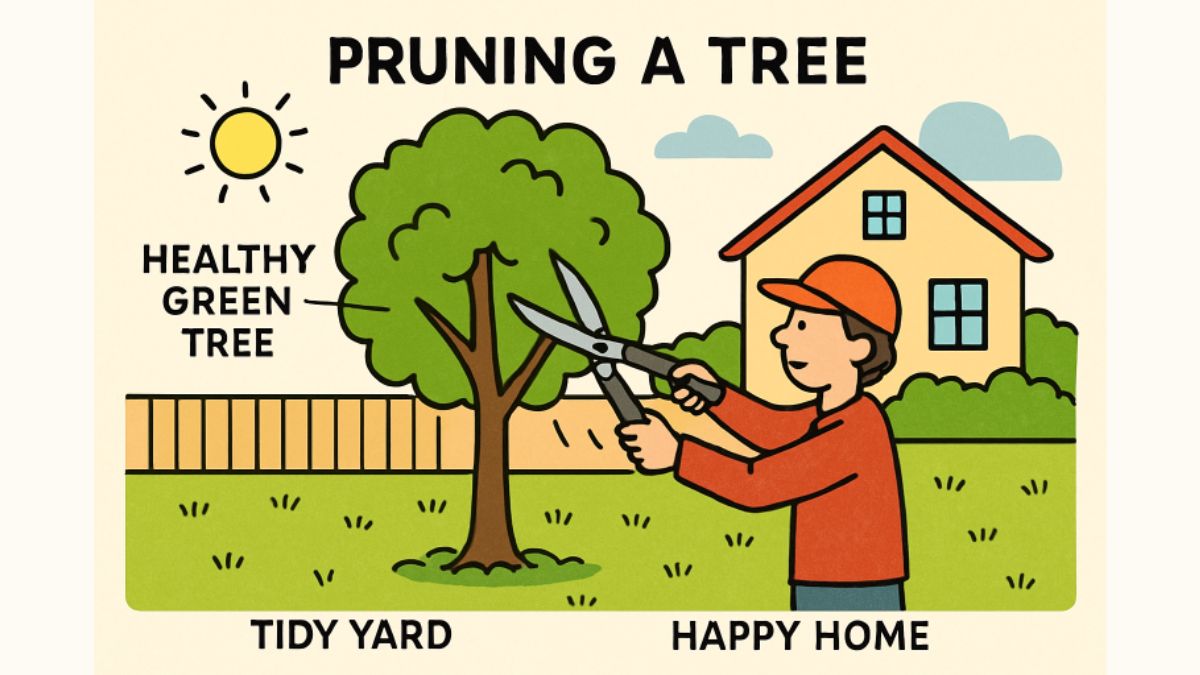
Caring for trees goes beyond simple curb appeal. Regular tree maintenance ensures the long-term vitality of your landscape, allowing homeowners and property managers to enjoy healthy, safe, and beautiful surroundings. Simple actions such as trimming, pruning, and health assessments prevent future problems that could jeopardize both tree health and public safety. For those seeking expert assistance, Fielding Tree Care offers professional tree management tailored to your needs. Preventive care can often mean the difference between costly removal and decades of healthy growth.
Attention to tree health contributes to the overall health of your yard’s ecosystem. By keeping your trees vigorous and resilient, you help foster wildlife habitats, improve air quality, and sustain the value of your home or business. Neglecting regular maintenance, on the other hand, exposes you to avoidable risks that can range from pest infestation to property loss during storms.
Schedule routine inspections and monitor the condition of trunks, roots, and canopies. Well-maintained trees provide shade, reduce heating and cooling costs, and contribute to community well-being. A uniform approach to maintenance demonstrates not just pride of ownership but a commitment to the environment and safety.
Promotes Tree Health
The foundation of any landscaping plan should prioritize the health of trees. By investing in regular pruning, dead or weak branches are removed, allowing thriving limbs to receive more light and air. This not only boosts photosynthesis but also strengthens trees against storms and disease. Prompt removal of damaged limbs also limits the spread of infection and promotes the growth of healthy tissue.
Structural Integrity and Longevity
Over time, trees that are properly trimmed and pruned develop balanced canopies and robust root systems. The result is a landscape with fewer hazards and greater shade, which enhances outdoor living environments and reduces overall energy use by keeping outdoor spaces cooler in summer and more protected in winter.
Enhances Property Value and Curb Appeal
A visually stunning landscape gets noticed immediately. As trees are trimmed and maintained, they naturally enhance sightlines and accentuate architectural features on the property. Trees that are safe, healthy, and beautifully shaped attract buyers, increase appraisal values, and create a unique sense of place. Mature trees are frequently cited by real estate professionals as high-value assets for any residential or commercial setting.
Prevents Potential Hazards
Unchecked growth leaves both people and property vulnerable. Dead or unstable branches pose an emergency risk during storms and high winds. Regular assessments and maintenance eliminate these dangers, making yards safer for families, guests, and anyone passing by. Pruning also addresses branches that may threaten power lines, public spaces, roads, or cause visibility issues for drivers.
Contributes to Environmental Benefits
Trees perform an essential function in our environment by filtering out pollutants, trapping dust, and producing oxygen. Regular tree care supports this by ensuring crowns are open for optimal airflow and exposure. Healthy trees reduce the urban heat island effect by providing shade, lowering local temperatures, and easing air conditioning demand. Additionally, flourishing trees provide habitat for birds, pollinators, and other wildlife, strengthening urban biodiversity.
Encourages Healthy Growth
Careful pruning is essential in shaping young trees. Formative cuts early in a tree’s life prevent poor structure, weak wood, or lopsided growth patterns as the tree matures. Regular maintenance ensures each tree has room to grow and thrive without stress caused by overcrowding or competition for sunlight. This proactive management fosters resilient, wind-resistant trees for future generations.
Prevents Pest and Disease Infestation
Diseased, dying, or dead branches are prime harbors for pests and fungi, which can devastate an entire landscape if left unaddressed. Regular tree health checks and removal of trouble spots catch infestations early and minimize the need for chemical treatments or drastic interventions later. This careful attention is especially important in urban and suburban environments, where infestations can spread quickly between closely spaced trees.
Improves Sunlight Exposure and Air Circulation
Overgrown trees can create dense canopies that impede airflow, restrict healthy trunk development, and cast too much shade on lawns and garden beds. Thoughtful pruning promotes better sunlight distribution throughout your landscape, encouraging the growth of turf grass and other understory plants. Improved circulation also lessens the risk of mold, mildew, and bacterial diseases, keeping both trees and gardens thriving.
Reduces Long-Term Costs
Preventive maintenance helps to avoid major repairs and emergency removals. By handling small issues proactively, such as trimming weak branches or catching disease early, property owners can avoid expensive, reactive solutions in the future. Routine professional evaluations cost far less than emergency responses to fallen trees or major disease outbreaks.
Final Thoughts
In summary, regular tree maintenance offers many long-term rewards. From healthier, safer landscapes and decreased costs, to improved property values and stronger local ecosystems, the value of ongoing tree care is clear. Whether you choose to perform routine tasks yourself or rely on professional services, maintaining your trees is an investment that yields ongoing returns for years to come.

In today’s fast-paced world, the modern woman embodies strength, grace, and an aware approach to life. She values now not just splendor, however also integrity and sustainability. When it involves selecting a gift that virtually displays her spirit, Lab Grown Diamond Jewelry from manufacturers like Dvik Jewels and Ibling Jewels emerges as the proper desire.
But what makes these diamonds the ideal gift? Let’s explore the versatility and elegance they bring to a woman’s collection.
1. Real Brilliance in Every Form
Lab grown diamonds are chemically and physically equal to mined diamonds. Whether you’re looking for a conventional look or some thing state-of-the-art, Dvik Jewels gives a lovely variety of options:
- Diamond Rings: From engagement rings to stylish daily-wear bands, a ring is a symbol of a promise and everlasting love.
- Exquisite Pendants: A delicate diamond pendant from Ibling Jewels sits close to the heart, making it a thoughtful and emotional gift.
- Classic Studs: Every woman needs a pair of diamond stud earrings. They are versatile, timeless, and perfect for both office wear and evening parties.
- Elegant Bracelets: A shimmering diamond bracelet adds a touch of sophistication to her wrist, completing any outfit with grace.
2. Ethical and Eco-Conscious Luxury
The modern girl is aware of her environmental footprint. Lab grown diamonds from Ibling Jewels are 100% conflict-free and sustainable. By selecting these, you’re gifting “guilt-unfastened luxurious” that aligns together with her values of protecting the planet.
3. More Sparkle, Smarter Investment
One of the biggest advantages of shopping at Dvik Jewels is that lab-grown diamonds are more affordable than mined ones. This means you can gift a larger, high-quality diamond ring or a more intricate bracelet without breaking your budget. It’s about getting the luxury she deserves at a price that makes sense.
4. A Gift for Every Occasion
Whether it’s a birthday, an anniversary, or celebrating her achievements on Women’s Day, diamond jewelry is a gesture that never goes out of style. A pair of sparkling studs or a customized pendant shows that you’ve put thought into choosing something as unique as she is.
Conclusion
Choosing lab grown diamonds is a tribute to the modern woman’s intellect and style. With the first-rate craftsmanship of Dvik Jewels and the fashionable designs of Ibling Jewels, you aren’t simply giving a chunk of jewellery, you are giving a masterpiece that she can cherish forever.
-

 TOPIC7 months ago
Symbols of Hope: The 15th Belenismo sa Tarlac
-

 TOPIC7 months ago
“The Journey Beyond Fashion” – Ditta Sandico
-

 NEWS7 months ago
Historical Churches in Manila
-

 TOPIC7 months ago
RIZAL at 160: a Filipino Feat in Britain
-

 TOPIC7 months ago
5 Must-Have Products From Adarna House to Nurture Your Roots
-

 TOPIC7 months ago
Boats with Two Strings
-

 TOPIC7 months ago
“Recuerdos de Filipinas – Felix Laureano”
-

 TOPIC7 months ago
Filipino, alternative language course at Moscow State University